
Design for Manufacturing (DFM)
for Medical Devices
A design that works as a prototype is not necessarily ready to manufacture at scale. We help product teams refine components, assemblies, materials and engineering documentation with the intended manufacturing method and supplier constraints in mind.

Design for the Process
That Will Make It
Manufacturing constraints can change how a component should be designed. Injection-moulded parts must account for tooling and moulding behaviour. Machined components need sensible features and access. Complex assemblies depend on tolerances, fastening choices and repeatable build sequences.
iNSPIRE Design reviews mechanical designs with these real production considerations in mind. Our goal is to identify practical engineering changes that improve manufacturability while preserving essential product function and design requirements.
DFM can begin early or be used as a focused review before tooling, supplier quotation or pilot production.
Our Capabilities
DFM & Manufacturing Preparation Capabilities
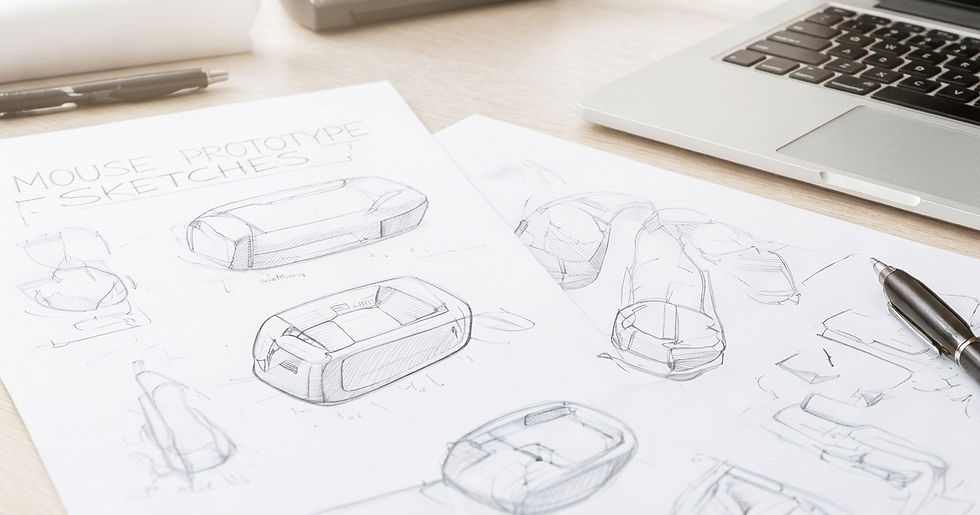
Manufacturability Assessment
Review part geometry, intended manufacturing methods, complexity and production-sensitive features; identify design decisions that merit further engineering review.
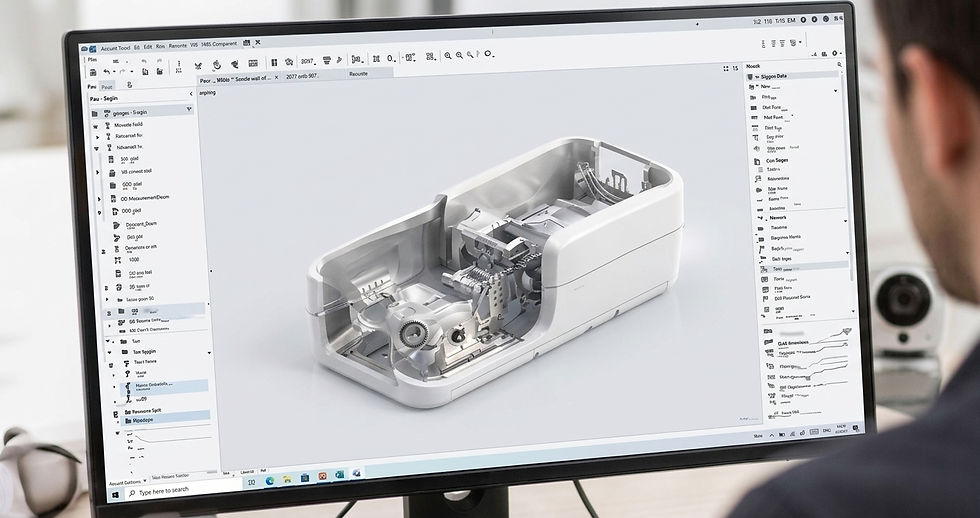
Material & Process Selection Support
Compare practical implications of candidate materials and processes against product requirements, expected quantities and supplier capability.

Plastic Part & Enclosure Design
Review applicable features such as wall thickness, draft, ribs, bosses, mounting details, parting considerations and assembly interfaces for the intended moulding route.
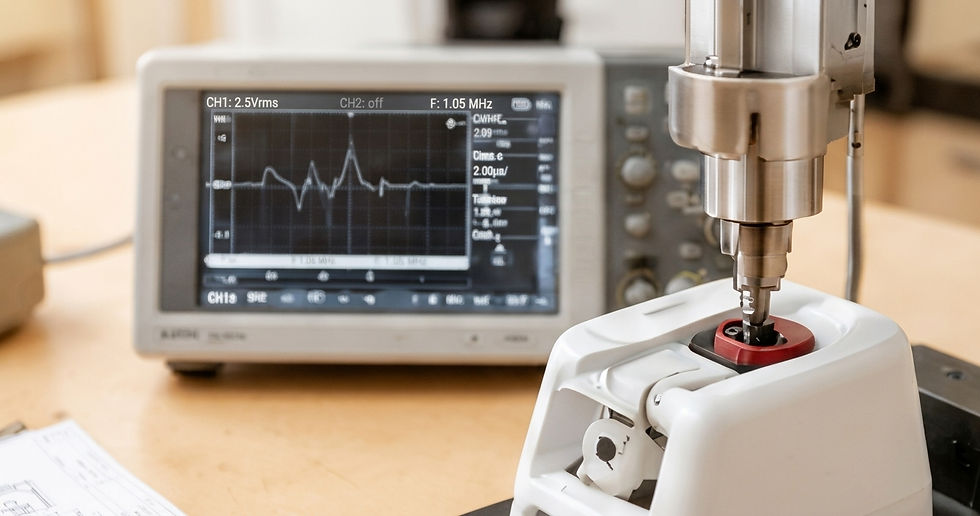
Machined & Fabricated Part Design
Evaluate fabrication and machining practicality, feature access, bend or joining considerations, tolerances and opportunities to simplify geometry.
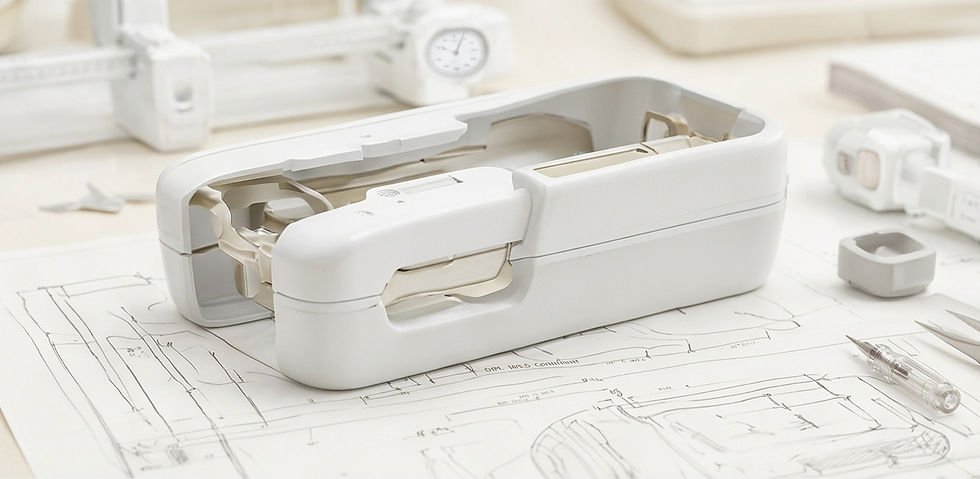
Tolerance, Fit & Assembly Review
Examine critical interfaces, clearances, fastening, part count, alignment and assembly sequence; undertake defined tolerance assessments where appropriate.
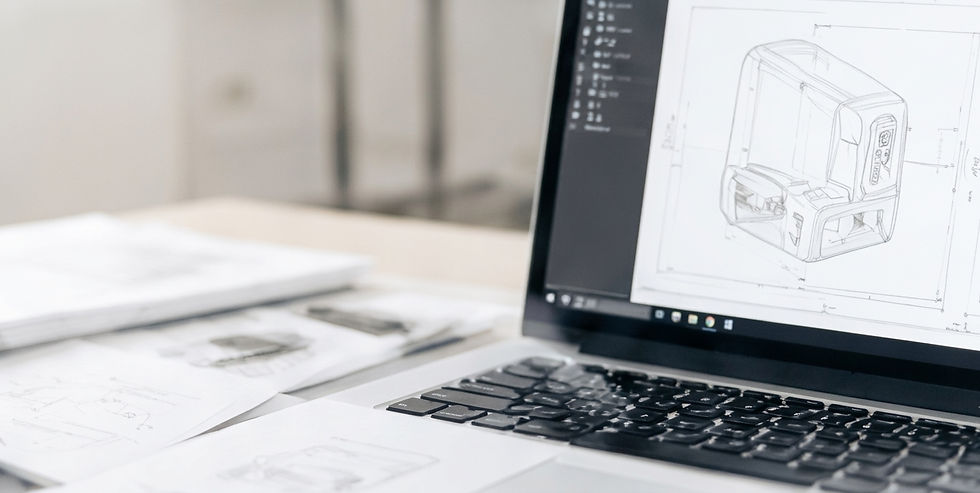
Production-Oriented CAD & Supplier Coordination
Refine engineering models, drawings and bills of materials, and address technical questions with suppliers within the agreed scope.
A Focused DFM Review
01
02
Identify production risks.
Flag features likely to create tooling, fabrication, tolerance or assembly difficulty.
03
Evaluate alternatives.
Compare reasonable design changes against functionality, complexity and production considerations.
04
Update engineering outputs.
Revise approved CAD, drawings and specifications to reflect selected improvements.
05
Coordinate with the supplier.
Support technical clarification and further design changes as manufacturing information becomes available.
Review the current design.
Understand functional constraints, expected volume, materials, intended processes and existing CAD.
Common DFM Questions We Help Resolve
A focused review may address questions such as:
Can a prototype enclosure be redesigned for an intended injection-moulding process?
Can two or more parts be simplified or combined without compromising essential function?
Are critical clearances and mating features realistic for the selected manufacturing process?
Will the assembly sequence be practical for the planned production quantity?
What information will the manufacturer need in order to quote or review the design?
Where DFM Provides Value
Prototype-to-production transition
Review design assumptions before committing to tooling or larger fabrication orders.
Medical equipment and enclosures
Refine features, materials, interfaces and assembly for the intended production process.
Complex mechanical assemblies
Reduce avoidable assembly difficulty and assess critical dimensional interfaces.
Existing product improvements
Investigate recurring fit, fabrication or production issues through design changes.
Preparing a Design for Production?
Share your CAD models, target process or current manufacturing concern. We can discuss a practical DFM review and the design changes worth addressing first.