
Reverse Engineering & 3D Scanning
for Mechanical Parts and Products
Have a physical component but no usable CAD or engineering drawings? We help reconstruct the geometry and mechanical design of existing parts and assemblies, then turn that information into editable CAD models, drawings or improved designs. Where appropriate, we scan existing parts using a 3D scanner to support the engineering process.

From an Existing Part to Engineering Data You Can Use
Many products need to be modified, repaired or reproduced long after the original design data has become unavailable. A legacy part may have no drawings, a supplied CAD file may not match the physical assembly, or a replacement component may need to fit a product that was never fully documented.
iNSPIRE Design supports mechanical reverse engineering by combining physical examination, dimensional measurement, selective 3D scanning and CAD reconstruction.
Rather than simply copying the surface of a part, we assess functional interfaces, fits, geometry and manufacturing requirements to produce engineering outputs suitable for the next task.
Our Capabilities
Our Reverse Engineering Capabilities
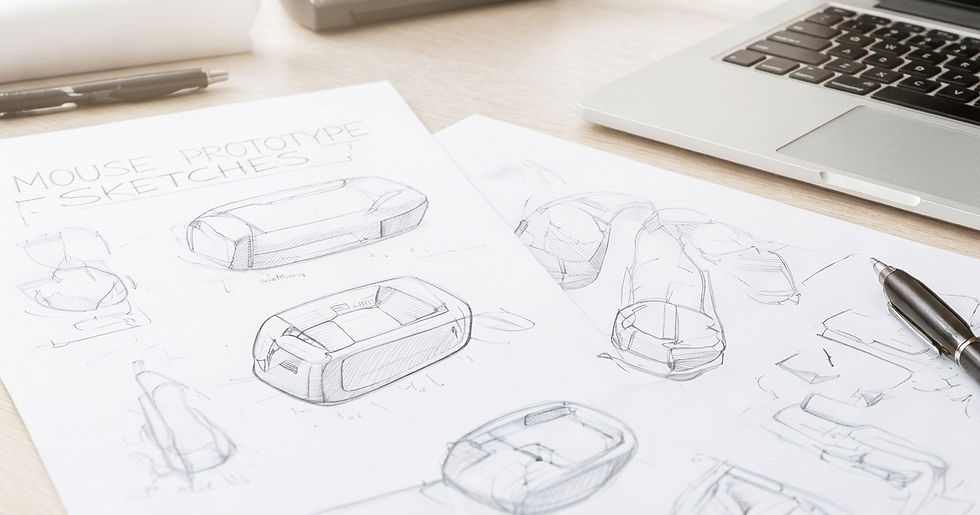
Physical Part & Assembly Assessment
Examine supplied components, mechanisms, interfaces and available drawings or reference data. Define which dimensions, functions and design details must be reconstructed.
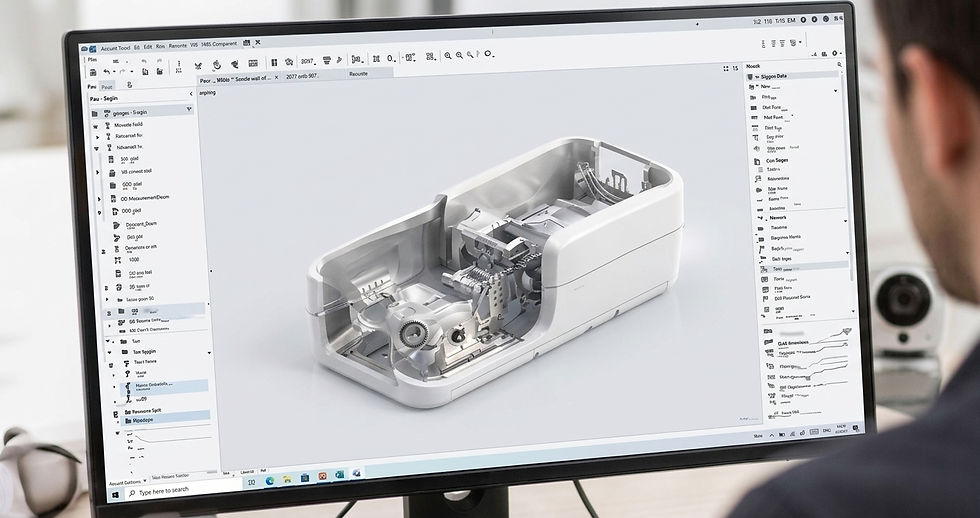
Dimensional Measurement & Geometry Capture
Use suitable physical measurements and, where relevant, coordinated 3D scanning to capture accessible geometry. Critical features may require checks beyond scanning.

3D Scanning
The scanning method, object suitability, data quality and scheduling are confirmed for the specific project.
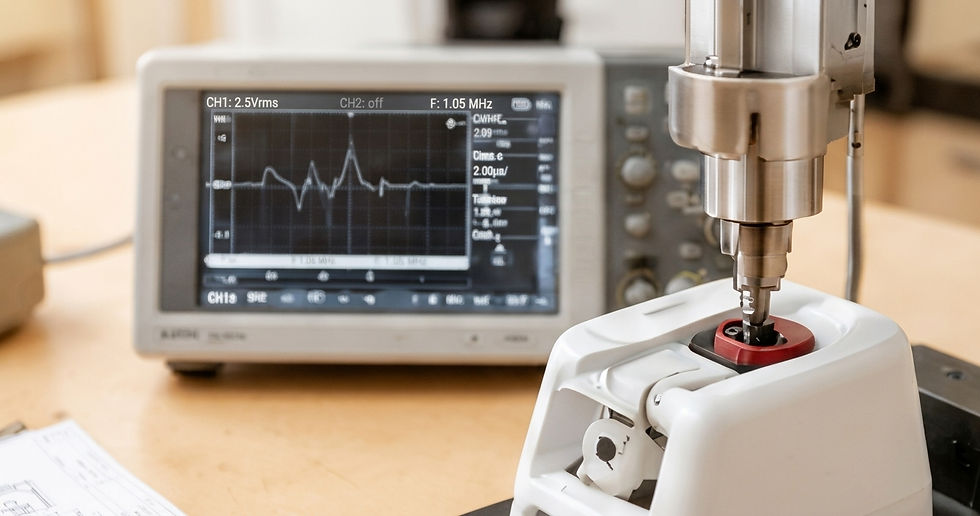
Scan-to-CAD & Parametric Reconstruction
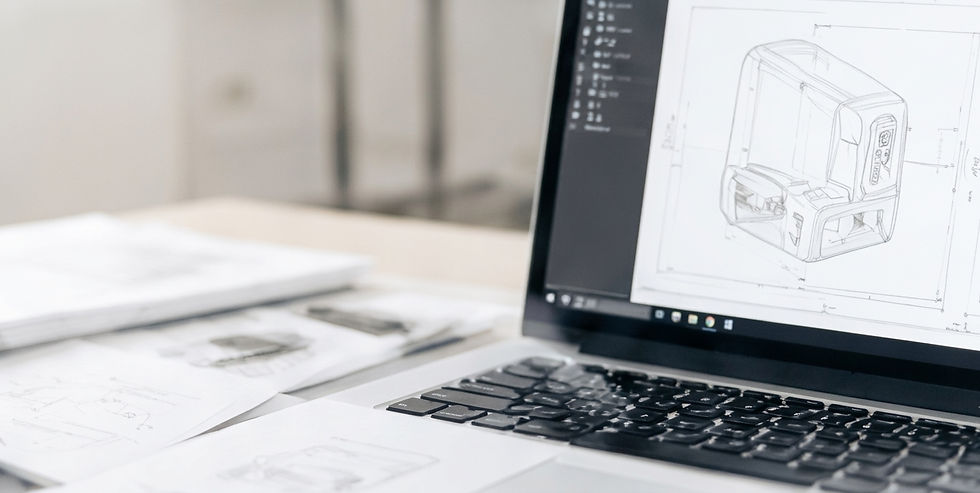
Use measurements, photographs, scans or mesh references to rebuild editable 3D CAD geometry, including features and surfaces appropriate to the component.
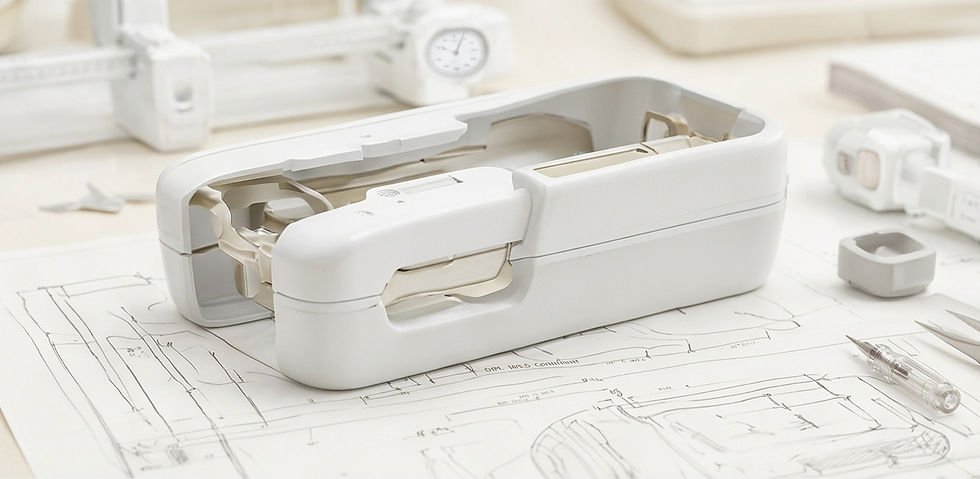
Mechanical Design Reconstruction & Fit
Recreate mating geometry and key interfaces, assess part relationships and assembly constraints, and distinguish measured features from engineering assumptions.
Redesign, Documentation & Manufacturing Preparation
Modify reconstructed designs to address agreed fit, service, usability or manufacturability needs and prepare the required drawings or supplier-ready design information.
How We Reverse Engineer a Component
03
Reconstruct the CAD.
Build editable models from measured features and reference data, interpreting wear, distortion or inaccessible geometry carefully.
04
Review fit and critical dimensions.
Compare the CAD against available physical measurements, scanned references or the mating assembly, as appropriate to the agreed scope.
05
Deliver or develop further.
Provide agreed 3D models and drawings, or continue into design improvement, prototyping or design for manufacturing.
02
Inspect and capture geometry.
Review the supplied part and collect relevant measurements; arrange 3D scanning where its capabilities suit the geometry and project.
01
Define the intended outcome.
Confirm whether the task is reproduction, replacement, redesign, interface matching or design documentation, and identify required accuracy at critical features.
What Can You Receive?
Depending on the condition of the sample and the agreed purpose, outputs may include:
Reconstructed 3D CAD components, mechanisms or assemblies
Editable parametric models or surface models, where technically practical
Selected scan meshes / reference geometry, if captured and included in scope
Dimensioned engineering drawings with defined critical features and assumptions
Replacement or revised part designs with relevant interface information
Prototype-ready or manufacturing-oriented design files where further engineering has been completed
Typical Reverse Engineering Applications
Legacy components without drawings
Rebuild usable engineering data when a component exists but source CAD is missing or obsolete.
Replacement or mating parts
Understand physical interfaces and develop compatible replacement components or accessories.
Existing product upgrades
Reconstruct the relevant design before modifying geometry, features or a mechanism.
Complex surfaces and enclosures
Capture difficult external shapes using 3D scanning when conventional measurement alone is inefficient.

Unleash Your Potential
This is a space to welcome visitors to the site. Grab their attention with copy that clearly states what the site is about, and add an engaging image or video.
Have a Physical Part That Needs to Become CAD?
Share photographs, existing drawings if available, the part’s approximate size and what you need to achieve—replacement, redesign, mating-part development or documentation. We can recommend the appropriate measurement, scanning and CAD reconstruction approach.